

Peripheral Artery Disease (PAD)
Signs and Symptoms of Poor Leg Circulation
Peripheral artery disease (PAD) often develops gradually, making its early symptoms easy to miss. Recognizing these warning signs early can help prevent the condition from worsening and ensure timely, effective treatment.
- Leg pain or cramping while walking (claudication): An aching, tight, or cramping sensation in the calves, thighs, or hips that begins during activity and eases with rest.
- Numbness or weakness in the legs: Reduced blood flow can make your legs feel weak, heavy, or less responsive when walking or exercising.
- Coldness in the lower leg or foot: One leg or foot may feel noticeably colder than the other because of decreased circulation.
- Slow-healing wounds or sores: Cuts, ulcers, or sores on the feet or legs may take longer to heal due to reduced blood supply.
- Shiny skin or hair loss on the legs: Changes in skin appearance or decreased hair growth can indicate long-term circulation problems.
- Weak or absent pulses in the feet: Poor circulation can make pulses in the feet difficult for a healthcare provider to detect.
When Leg Pain Interferes With Your Everyday Life
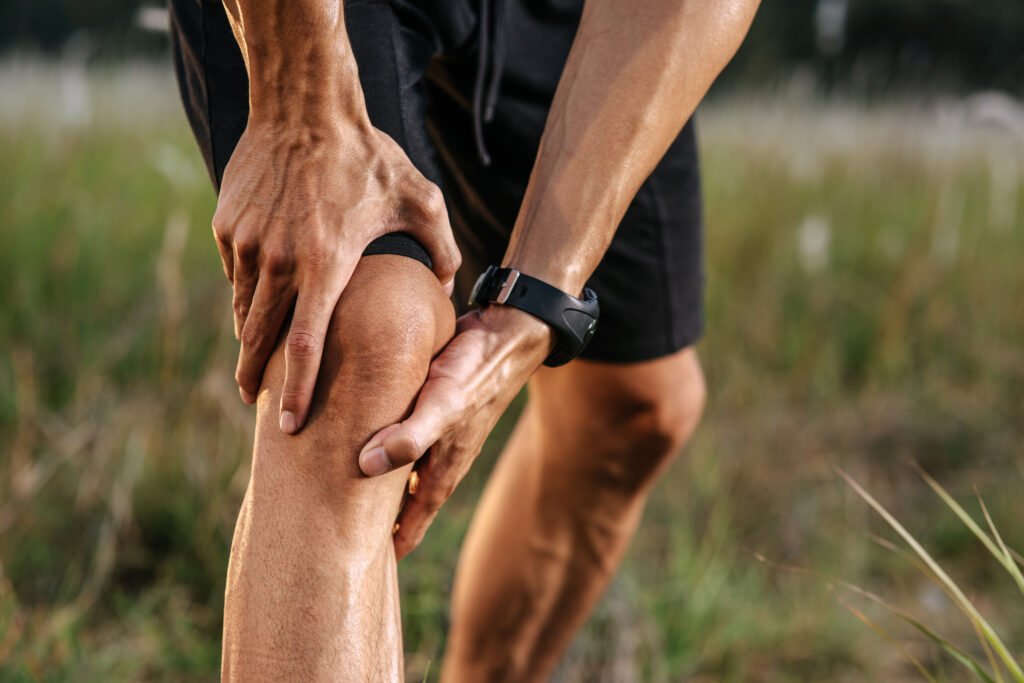
What may begin as mild leg discomfort can gradually make everyday activities more challenging. Walking short distances, climbing stairs, running errands, or standing for long periods may become increasingly difficult as symptoms worsen. Many people start limiting their activity to avoid pain, which can reduce mobility, independence, and overall quality of life. Seeking treatment early can help relieve symptoms, improve circulation, and keep you active.
Advanced Minimally Invasive Treatments to Restore Blood Flow
If reduced blood flow is affecting your legs, minimally invasive treatment can help restore healthy circulation and relieve symptoms. Using advanced image-guided techniques, specialists can open narrowed or blocked arteries without major surgery. By improving blood flow, these procedures can reduce pain, increase mobility, and help patients in Texas return to their daily activities with a shorter recovery time.
Opens Blocked or Narrowed Arteries
These treatments work by removing or compressing plaque buildup inside the arteries, allowing blood to flow more freely to the legs and feet.
Minimally Invasive Approach
Performed through small, image-guided entry points, these procedures avoid large incisions and reduce overall risk compared to traditional surgery.
Improves Walking Distance and Comfort
Many patients notice they can walk longer distances with less pain as circulation improves and muscles receive more oxygen.
Faster Recovery Time
Compared to surgical procedures, recovery is typically much quicker, allowing you to return to daily activities sooner.
PAD Treatment Options:: Minimally Invasive vs. Traditional Surgery
| Feature | Medications | Minimally Invasive Procedures | Surgical Bypass |
|---|---|---|---|
| Approach | Manages symptoms & risk factors | Opens blocked arteries | Creates a new path for blood flow |
| Effectiveness Over Time | Varies; may require long-term use | Designed for lasting symptom relief | Effective for severe cases |
| Invasiveness | Non-invasive | Minimally invasive | Highly invasive |
| Recovery Time | No recovery time | Short (days to a couple weeks) | Long (weeks to months) |
| Pain After Treatment | May still have symptoms | Typically mild | Post-surgical pain common |
| Risk Level | Low | Lower compared to surgery | Higher (infection, complications) |
| Daily Impact | Daily medication use | Minimal disruption | Significant downtime |
| Goal | Control symptoms | Restore blood flow & improve mobility | Reroute blood around blockage |
Have any question?
Leg pain, cramping, and poor circulation can have many causes, making it difficult to know when to seek medical care. In many cases, these symptoms may be linked to peripheral artery disease (PAD). Below are answers to some of the most frequently asked questions from patients in Texas about poor leg circulation, its symptoms, and available treatment options.
This is one of the most common signs of poor circulation caused by PAD. When you walk, your muscles need more oxygen-rich blood. If your arteries are narrowed, they can’t supply enough blood, leading to cramping or pain. When you stop and rest, the demand decreases, and the pain goes away.
Poor circulation can cause symptoms like cramping, aching, heaviness, numbness, or fatigue in the legs. Some people also notice cold feet, tingling sensations, or weakness when walking. These symptoms often worsen with activity and improve with rest.
Constantly cold feet can be a sign of reduced blood flow to the lower extremities. When circulation is limited, less warm blood reaches your feet, making them feel cold even in normal temperatures.
Yes. Reduced blood flow can affect nerve function, leading to numbness, tingling, or a “pins and needles” sensation. These symptoms may become more noticeable during physical activity.
Get Your Personalized Results & Next Steps
Complete the form to receive your personalized assessment. Based on your answers, our specialists will review your information and reach out to discuss your results, answer your questions, and help you take the next step toward the most appropriate treatment option for you.